
How to Select the Best Incense for Meditation Spaces?
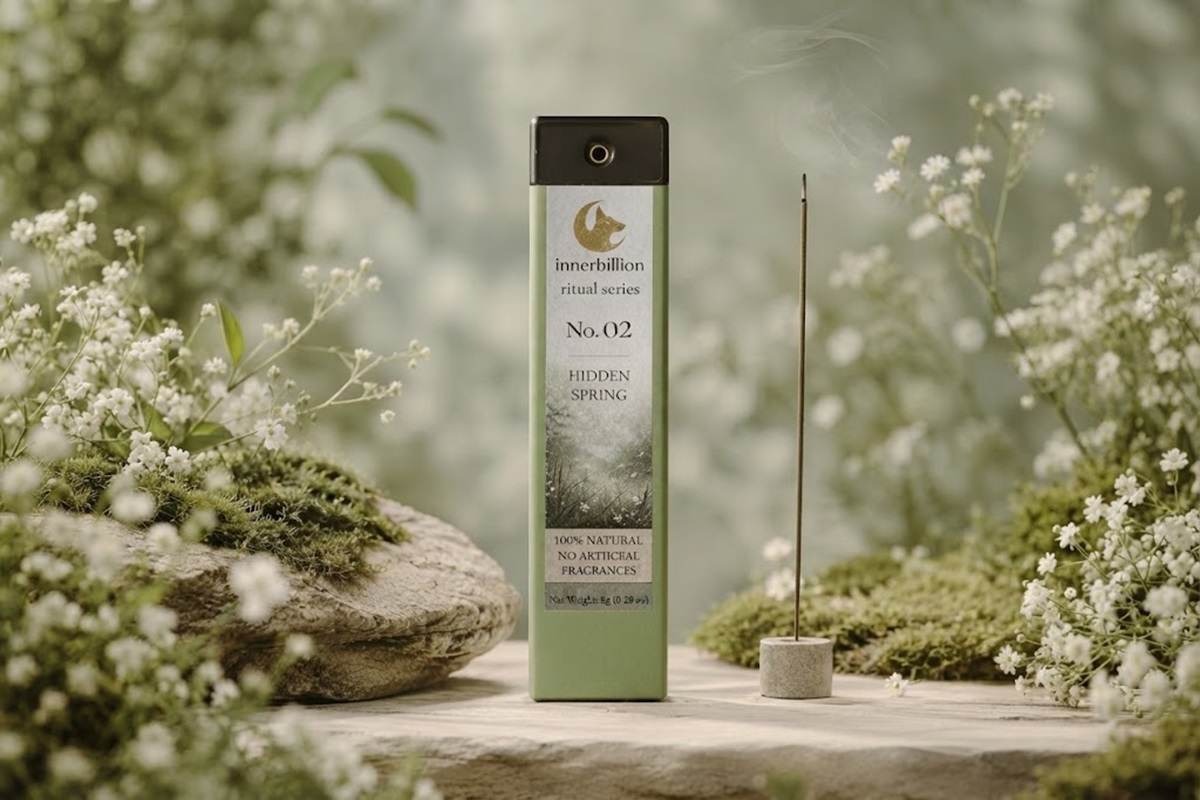
A meditation space should feel calm, comfortable, and free from unnecessary distractions. While lighting, seating, and décor all contribute to the atmosphere, scent can also play an important role in creating a peaceful environment. Incense has been used in meditation and spiritual practices for centuries because its gentle fragrance can help establish a sense of ritual and relaxation.
However, choosing Incense is not simply about selecting the strongest or most appealing fragrance. Different incense types have different scents, burning times, ingredients, and smoke levels. The right choice depends on your meditation style, room size, personal preferences, and sensitivity to fragrance. By understanding these factors, you can select incense that complements your meditation space rather than overwhelming it.
Consider the Fragrance
The first step is to think about the type of atmosphere you want to create. Fragrance can influence how a room feels, so choose a scent that naturally supports your meditation routine.
Floral scents such as lavender, rose, and jasmine can create a soft and soothing atmosphere. Woody fragrances, including sandalwood and cedar, often provide a warm and grounded feeling. Earthy scents such as patchouli may appeal to people who prefer deeper and richer aromas.
For a meditation space, subtle fragrances are generally more suitable than extremely strong ones. A scent should remain in the background rather than becoming the main focus of your practice.
Choose Natural Ingredients
The ingredients used to make incense can make a significant difference to the overall experience. Traditional incense may contain aromatic woods, herbs, flowers, resins, and essential oils. Some modern products may also contain synthetic fragrances or additional ingredients.
When possible, look for Incense made with clearly listed ingredients. Natural materials can provide a more authentic fragrance and may produce a softer scent profile.
This does not necessarily mean that every product labeled “natural” is automatically better. Reading the ingredient information and choosing a reputable manufacturer can help you make a more informed decision.
Pick the Right Incense Type
Incense comes in several forms, and each type has its own characteristics. Understanding the differences can make it easier to find an option that suits your meditation routine.
Stick Incense
Stick incense is a convenient choice because it is easy to light and use. It comes in many fragrances and burning times, making it suitable for different meditation routines.
Cone Incense
Cone incense is compact and provides a concentrated fragrance. It works well in smaller spaces but should be placed in a stable, heat-resistant holder with proper ventilation.
Resin Incense
Resin incense offers rich, traditional fragrances such as frankincense and myrrh. It requires a suitable heat source, making it better for those familiar with safely burning incense.
Match the Incense to Your Space
The size and ventilation of your meditation area should influence your choice. A small room can quickly become heavily scented, especially when using Incense with a strong fragrance. In such spaces, choose a mild scent and burn a smaller amount.
Larger rooms may allow you to use incense with a slightly richer aroma. However, more incense does not necessarily create a better meditation environment.
Ventilation is equally important. A window, door, or gentle airflow can prevent smoke from becoming concentrated. The goal is to enjoy the fragrance without allowing the air to become uncomfortable.
Think About Burn Time
Your meditation routine can also help determine which incense is most practical. If you meditate for only 10 to 15 minutes, a shorter-burning product may be appropriate. For longer sessions, you may prefer incense designed to burn gradually.
Look at the estimated burning time before making a purchase. Avoid choosing an incense simply because it lasts longer. The fragrance should fit naturally into your practice rather than encouraging you to keep it burning unnecessarily.
A simple approach is to light the incense shortly before meditation and allow its fragrance to become part of the transition from everyday activity to quiet reflection.
Choose a Suitable Strength
Fragrance intensity is highly personal. Some people enjoy noticeable aromas, while others find strong scents distracting. If you are new to using Incense during meditation, start with a mild or moderately scented option.
Consider these factors when choosing fragrance strength:
- Room size: Smaller spaces usually need less fragrance.
- Session length: Strong scents may become overwhelming during long sessions.
- Personal preference: Choose an aroma that feels pleasant rather than overpowering.
- Smoke level: Consider products that produce less visible smoke if you are sensitive to it.
Experimenting with different fragrances can help you discover what works best for your meditation routine.
Consider Your Meditation Style
Your meditation technique can also influence your choice. For breath-focused practices, a subtle fragrance may be preferable because a strong aroma could draw attention away from breathing. For relaxation, visualization, or gentle mindfulness sessions, you may enjoy a warmer or more noticeable scent.
The best Incense for Meditation is not necessarily the strongest or most expensive option. It is the fragrance that helps your environment feel comfortable while allowing you to maintain your concentration.
Some people may also choose scents according to personal rituals or traditions. If incense has a particular meaning within your practice, selecting an aroma associated with that tradition can make your routine feel more intentional.
Test Before Buying More
Fragrance can smell very different when it is burning compared with how it smells in its package. If possible, try a small quantity before purchasing a large collection.
Start with one or two scents from different fragrance families. You might compare a light floral aroma with a woody or earthy option. Pay attention to how each scent affects the atmosphere of your meditation area.
Give yourself time to notice whether the fragrance helps you feel settled or becomes a distraction. Your response is more important than trends or popular recommendations.
Create a Consistent Ritual
Once you find an incense that suits you, using it consistently can become part of your meditation ritual. Lighting Incense at the beginning of a session can create a simple transition between daily activities and quiet practice.
Over time, the familiar fragrance may become associated with your meditation routine. This can make entering a calm mindset feel more natural.
Still, incense should remain an optional part of meditation. You can meditate effectively without it, and there may be days when you prefer a fragrance-free environment.
What Sets InnerBillion Apart?
InnerBillion focuses on creating products that complement peaceful routines and mindful spaces. Its approach combines thoughtful design, quality materials, and practical use to help create a comfortable atmosphere for meditation and relaxation.
By paying attention to quality and everyday usability, InnerBillion aims to make mindful spaces feel more inviting and intentional. Its products can be a simple addition for anyone looking to create a calm and pleasant meditation environment.
Final Thoughts
Choosing Incense for a meditation space is ultimately about creating an atmosphere that supports calmness, focus, and personal comfort. Consider the fragrance, ingredients, incense type, burn time, smoke level, and size of your space before making a choice.
Start with subtle scents and experiment gradually. A well-chosen incense can become a simple and enjoyable part of your meditation ritual, adding warmth and sensory awareness without distracting from the practice itself. With the right fragrance and safe setup, your meditation space can feel more intentional, peaceful, and inviting.
