
How Level 5 Cut Resistant Gloves Support Safer Material Handling
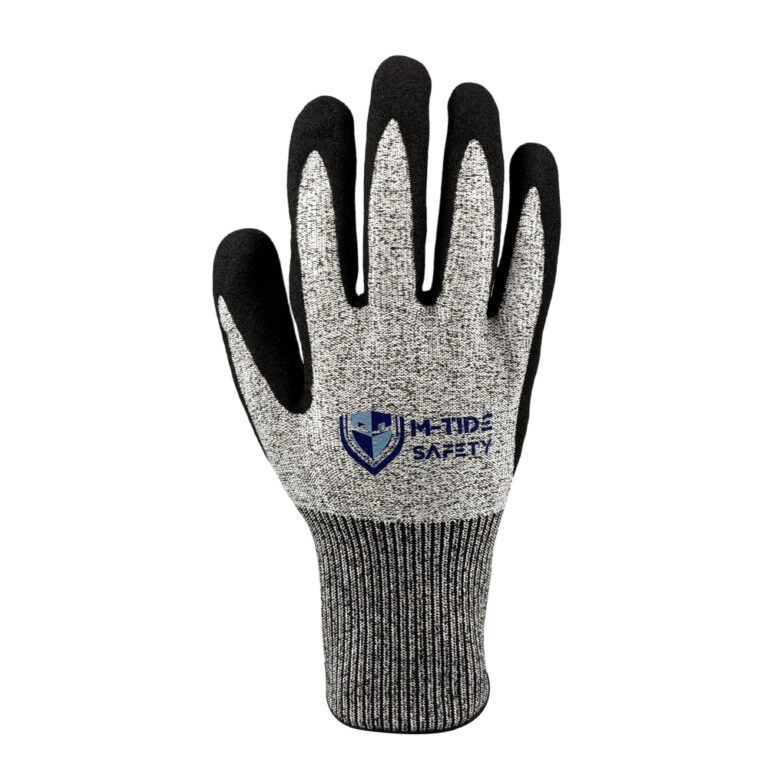
Workers in industrial environments often handle sharp metal, glass, tools, blades, wires, machine parts, and rough materials. These hazards can cause serious cuts if ordinary work gloves are used. Level 5 cut resistant gloves are designed for tasks where stronger hand protection is required. They provide resistance against slicing and abrasion while allowing workers to maintain the grip and movement needed for daily operations.
These gloves are commonly used in metal fabrication, automotive manufacturing, construction, glass handling, recycling, warehousing, maintenance, and general engineering. They are made with advanced fibers and may include protective coatings to improve grip and durability. Their exact performance depends on the testing system, materials, thickness, construction, and intended application.
Although Level 5 cut resistant gloves can significantly reduce hand injury risks, they are not completely cut-proof. Workers must still use safe tools, follow proper procedures, and avoid direct contact with moving or powered blades.
How Level 5 Cut Resistant Gloves Are Made
Level 5 cut resistant gloves are manufactured using high-strength yarns that are difficult for sharp edges to penetrate. Common materials include HPPE, aramid fibers, Kevlar, fiberglass, stainless steel blends, nylon, and other advanced synthetic fibers.
These materials may be knitted together to create a close-fitting liner that surrounds the hands. When a sharp edge presses against the glove, the fibers help spread the force over a larger area. This makes it harder for the object to cut directly through the glove and reach the skin.
Some gloves use multiple protective materials to improve performance. HPPE can provide lightweight strength and flexibility, while aramid fibers may add abrasion and heat resistance. Fiberglass or steel fibers may increase cut protection, although they can also affect comfort if the glove is not designed properly.
The knitting gauge also influences performance. A finer gauge can create a thinner and more flexible glove for precision work, while a heavier construction may offer additional protection for demanding handling tasks.
Manufacturers may add reinforcement around the thumb, palm, fingertips, or other high-wear areas. These features help extend glove life and provide added protection where sharp materials frequently make contact.
Understanding the Meaning of Level 5 Protection
The term Level 5 can refer to different classifications depending on the testing standard used. This is important because not all gloves labelled Level 5 necessarily provide identical protection.
Cut-resistance tests measure how well glove material withstands contact with a blade under controlled conditions. A higher result generally means the glove can resist greater cutting force. However, the testing method, blade movement, pressure, and rating system may differ.
Employers should review the full certification and technical data instead of relying only on the Level 5 description. The glove packaging or manufacturer’s documentation should explain which standard was used and what the result means.
The required protection level should be based on the actual task. A worker handling smooth components with occasional sharp edges may not need the same glove as someone carrying large glass sheets or unfinished steel panels.
Selecting an unnecessarily thick glove can reduce finger control and make the task more difficult. At the same time, choosing insufficient protection may leave the worker exposed. A proper hazard assessment helps identify the correct balance between safety and performance.
Cut protection must also be considered separately from puncture, impact, chemical, and heat protection. A glove may provide excellent resistance to slicing but limited protection against sharp needles, nails, falling objects, corrosive liquids, or high temperatures.
Improving Grip and Control During Work
Strong cut resistance alone is not enough if workers cannot hold materials securely. Grip is essential when handling sharp, smooth, wet, oily, or heavy objects. A slipping material can create a serious injury risk, especially if the worker instinctively tries to catch it.
Many Level 5 cut resistant gloves have coatings on the palms and fingers. These coatings improve grip and also protect the knitted liner from abrasion.
Polyurethane coatings are thin and flexible, making them suitable for tasks that require precision and tactile sensitivity. Workers can handle small components, operate tools, and complete assembly work without excessive bulk.
Foam nitrile coatings are useful in dry and lightly oily conditions. Their textured surface can help move small amounts of oil away from the contact area, improving control. Solid nitrile coatings offer durability and resistance to abrasion, dirt, and certain oils.
Latex coatings provide strong grip on rough and dry materials. They are often used in construction, glass handling, and general material movement. However, latex may not be suitable for oily conditions or workers with latex sensitivities.
The extent of the coating also matters. Palm-coated gloves are breathable and flexible, while fully coated designs may offer greater protection against dirt and moisture. Employers should select a coating according to the working conditions rather than choosing the same style for every department.
Common Uses in High-Risk Industries
Level 5 cut resistant gloves are widely used in metalworking because sharp edges are common in this industry. Workers may handle sheet metal, steel plates, stamped components, pipes, machine parts, and unfinished products. Suitable gloves can reduce the risk of cuts during lifting, positioning, assembly, and inspection.
Glass manufacturing and installation also involve significant hazards. Windows, mirrors, bottles, glass panels, and broken fragments can cause deep lacerations. Gloves with strong cut resistance and reliable grip help workers control these materials more safely.
In automotive manufacturing and repair, employees work with body panels, engine components, wires, exhaust parts, tools, and sharp mechanical edges. Level 5 cut resistant gloves allow workers to perform detailed tasks while reducing exposure to cuts and abrasions.
Construction workers may wear these gloves when handling metal framing, roofing sheets, tiles, cables, pipes, tools, and prefabricated components. In demolition and recycling environments, employees may face hidden sharp objects, making higher cut protection especially useful.
Warehousing and logistics workers may also need these gloves when opening cartons, handling metal straps, moving rough materials, or using utility knives. Other applications include aerospace assembly, appliance production, machinery maintenance, cable manufacturing, and food-processing operations involving sharp tools.
The same glove may not be suitable for every application. A thin and flexible design may be best for assembly, while a reinforced glove with an extended cuff may be needed for heavy glass or metal handling.
Comfort, Fit, and Long-Term Wear
A protective glove must be comfortable enough to wear throughout the work shift. If workers find a glove too stiff, hot, heavy, or poorly fitted, they may remove it during the task. This reduces the effectiveness of the safety program.
Level 5 cut resistant gloves are available in different sizes and designs. A properly fitted glove should follow the shape of the hand without restricting circulation. Workers should be able to bend their fingers, grip tools, and handle materials without excessive effort.
Gloves that are too loose may create folds around the fingertips and reduce control. Loose material can also become caught on machinery or sharp edges. Gloves that are too tight can cause fatigue, discomfort, and reduced movement.
Seamless knitted construction improves comfort by reducing pressure points. Breathable materials and uncoated glove backs allow heat and moisture to escape. This can be especially important in warm workplaces or during physically demanding tasks.
Workers should be included in product trials before large quantities are purchased. Their feedback can help identify whether the gloves provide enough flexibility, grip, comfort, and durability during actual operations.
Inspection, Care, and Safe Replacement
Level 5 cut resistant gloves should be checked before every use. Workers should inspect the palms, fingers, seams, cuffs, and coatings for signs of damage. Holes, broken fibers, worn surfaces, cuts, or separated coatings can reduce protection.
A glove that has been damaged by a sharp object should be removed from service. Even if the cut does not pass completely through the material, the protective fibers may have been weakened. Damaged gloves should not be repaired with tape or reused for high-risk tasks.
Reusable gloves must be cleaned according to the manufacturer’s instructions. Harsh chemicals, excessive heat, bleach, solvents, or unsuitable detergents may damage the fibers or coating. Gloves should be completely dry before they are worn again.
Contaminated gloves may require special disposal. Gloves exposed to hazardous chemicals, biological materials, or heavy oils should not automatically be washed and returned to general use.
Proper storage helps maintain glove performance. Clean gloves should be kept in a dry area away from sunlight, moisture, chemicals, high temperatures, and sharp tools.
Level 5 cut resistant gloves can provide dependable protection for workers handling sharp and abrasive materials. Their effectiveness depends on proper selection, correct sizing, regular inspection, and a clear understanding of their limitations. When combined with training, safe tools, machine guarding, and responsible work procedures, these gloves help create a safer and more productive workplace.
