What Is Bibimbap and Why Is Everyone Obsessed?
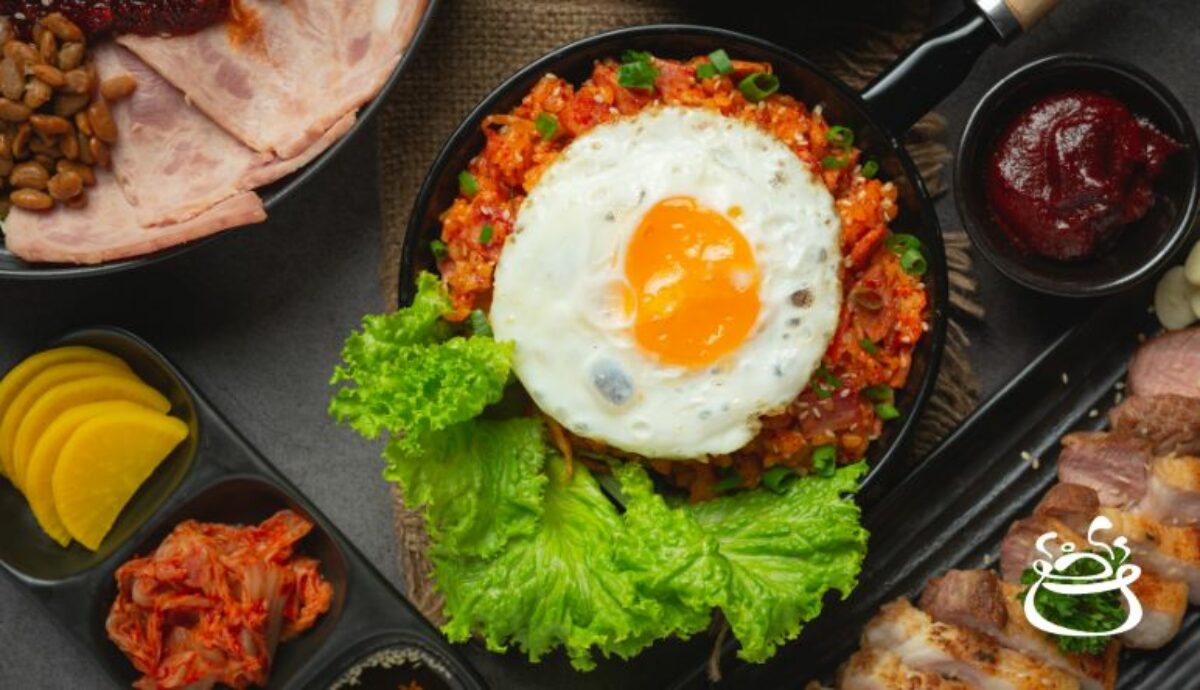
Korea gave the world K-pop, K-dramas, and skincare routines that require spreadsheets. But their greatest export might be a bowl of organized chaos called bibimbap. What is bibimbap exactly? Picture a food rainbow that got disciplined, a rice bowl that went to art school, and vegetables that finally learned to play nicely together.
The name literally means “mixed rice,” which undersells this dish like calling the Mona Lisa “paint on canvas.”
Each bibimbap bowl arrives looking like a color wheel you can eat. Then you destroy its beauty with aggressive mixing, and somehow it becomes even better. It’s the only food that requires you to ruin its Instagram moment before eating.
The Beautiful Mess Philosophy
Bibimbap operates on controlled chaos theory. Seven or eight different components sit prettily on rice, each in its own section, like they’re avoiding each other at a party. Spinach here.
Bean sprouts are there. Mushrooms keep to themselves. Carrots are minding their business. Then you grab your spoon and create delicious anarchy.
Mixing isn’t gentle folding. Korean grandmas will judge you for a weak mixing technique. You need commitment. Enthusiasm. The kind of stirring energy is usually reserved for arguments about sports teams.
Every grain of rice should meet every vegetable. The egg yolk becomes sauce. The gochujang (Korean chili paste) paints everything red. What starts as food art becomes a glorious mess.
This philosophy extends beyond the bowl. Bibimbap teaches that perfection needs disruption to become complete. Pretty doesn’t always mean ready. Sometimes you have to destroy something beautiful to create something better. Deep thoughts from dinner.
The Cast of Characters
What is bibimbap without its essential players? Each component earned its spot through centuries of Korean culinary evolution.
The seasoned spinach (sigeumchi namul) brings iron and earthiness. The bean sprouts (kongnamul) add crunch and subtle nuttiness. Mushrooms (pyogo beoseot) deliver umami depth. Carrots provide sweetness and color therapy.
The protein varies wonderfully. Traditional versions use marinated beef (bulgogi-style). Modern interpretations welcome tofu, chicken, or seafood. Vegetarian versions skip meat entirely, and nobody complains because vegetables prepared properly need no backup dancers.
Then there’s the egg. Oh, the egg. Raw or sunny-side up, that golden yolk is waiting to become sauce when mixed.
It’s the bowl’s grand finale, the moment of truth, the thing that transforms rice and vegetables into something worth writing home about.
Gochujang enters like the friend who makes parties interesting. This fermented chili paste brings heat, sweetness, and complexity that ketchup could never achieve. The amount depends on your relationship with spice and whether you need to impress anyone tomorrow.
The Stone Bowl Situation
Dolsot bibimbap arrives in a screaming hot stone bowl that’s been heating since the Joseon Dynasty (possibly). The rice touching the bowl creates a crispy, golden crust called nurungji. This crunchy rice becomes the prize everyone fights over, the reason people order bibimbap over other perfectly good Korean foods.
The sizzling continues throughout your meal. Each bite offers different textures. Soft rice here, crunchy rice there, vegetables everywhere. The bowl stays hot enough to cook that raw egg as you mix. It’s dinner, a show, and a workout because that stone bowl weighs more than your expectations.
CookinGenie chefs who specialize in Korean cuisine know the stone bowl secrets. They achieve that perfect crust even without traditional dolsot. They understand the temperature dance that keeps everything hot while preventing burnt disasters.
The Mixing Mastery
Mixing bibimbap requires the technique that CookinGenie chefs demonstrate perfectly. Vertical mixing, not horizontal stirring. Lift from the bottom, fold over the top. The goal? Every spoonful should contain all components. No sad bites of plain rice allowed.
Temperature matters during mixing. Too slow and the egg cooks unevenly. Too fast and you’re wearing dinner. The sweet spot exists between enthusiasm and control. Watch Korean restaurant servers mix bibimbap. They possess the confidence of surgeons and the flair of bartenders.
Some people refuse to mix, eating each component separately. These people also probably separate their Halloween candy by color and alphabetize their spices. They’re missing the point entirely. Bibimbap means mixed rice, not “rice with things sitting on it looking pretty.”
The Global Glow-Up
Bibimbap conquered the world by being endlessly adaptable. Vegetarians rejoice at the meatless possibilities. Health enthusiasts love the vegetable ratio.
Meal preppers appreciate how components are stored separately until assembly. Instagram loves pre-mixed beauty shots.
Every country adds its spin. Japanese versions include nori. Mexican interpretations feature jalapeños. Indian versions sneak in paneer. What is bibimbap becomes less a question and more an invitation to creativity.
CookinGenie embraces this evolution. Their Korean chefs respect tradition while understanding dietary preferences.
They’ll make authentic versions that honor Seoul street food or creative interpretations that would confuse Korean grandmas but delight everyone else. Both approaches work when executed with skill and joy.
