
Mixed Emotion Rhinestone Hoodies and Monogram Denim: The Two Pieces Every UK and USA Streetwear Wardrobe Needs in 2026
Why 2026 Is the Year Streetwear Got Personal Again
Something shifted in streetwear this year, and it didn’t happen because a major brand announced it. It happened quietly, in the way people started buying. The era of stacking logos for the sake of recognition is winding down on both sides of the Atlantic, and what’s replacing it is something far more interesting: clothing that actually means something to the person wearing it. In the UK, cities like Manchester, Bristol, and East London have been pushing this shift harder than anywhere else, with buyers moving away from head-to-toe brand uniformity toward pieces that carry their own personality without relying on a famous label to explain them. In the USA, the same shift is visible across New York, Atlanta, and LA, where independent labels with genuine design identity are outpacing the legacy hype brands on social media engagement, average order values, and repeat customer rates. The two pieces sitting at the absolute center of this shift right now are the oversized rhinestone hoodie and the monogram denim jean, and neither of them became relevant by accident. They became relevant because they do something that most streetwear pieces fail to do: they carry a visual identity strong enough to anchor an entire outfit while still leaving room for the person wearing them to make it their own. Mixed Emotion, the brand that has turned these two pieces into its most recognized signatures, understood this before the wider market caught up, and the way they’ve executed both categories explains exactly why buyers in the UK and USA keep coming back to them when other labels are cycling through trend after trend looking for something that sticks.
What an Oversized Rhinestone Hoodie Actually Does for an Outfit
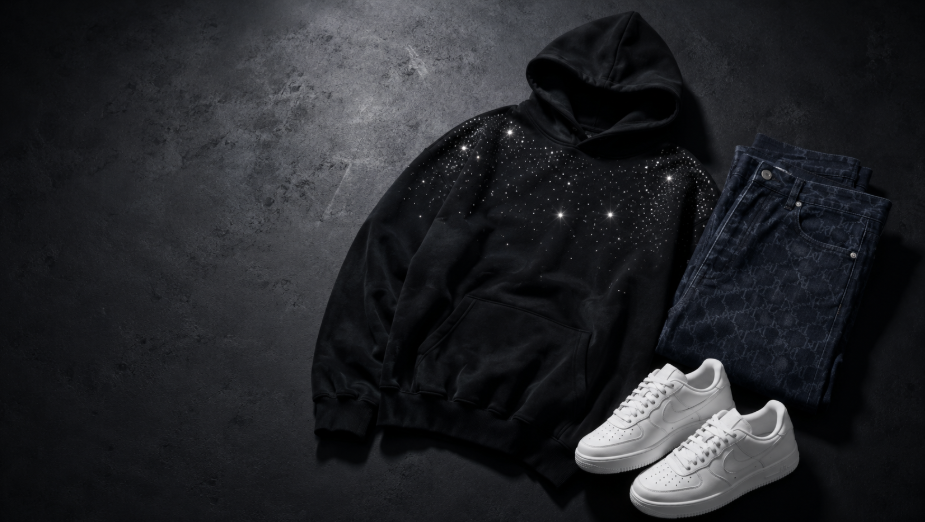
Most people who haven’t owned a rhinestone hoodie assume the detailing makes it a statement piece you can only wear once before it becomes repetitive, and that assumption is almost always wrong. The reason it’s wrong comes down to placement and restraint, two things that separate a well-designed rhinestone garment from the cheap embellished hoodies that peak for a month and disappear. When rhinestone work is placed with genuine intention mapped to the finished silhouette of the garment rather than laid out on a flat pattern it behaves completely differently depending on how you style the rest of the outfit. Pair the hoodie with plain black denim and clean trainers, and the rhinestones become the single focal point that makes the look feel put-together without being overdressed. Layer it under a dark structured jacket, and the stones catch light at the collar and hem in a way that reads as detail rather than decoration. This is the hands-on observation that most reviews miss: rhinestone hoodies worn in motion, under real lighting conditions, in real settings, look entirely different from how they photograph against a white studio wall, and that difference almost always works in your favor because the catch of light against fabric is something you can’t fully anticipate until you’re actually wearing the piece. The heavyweight cotton construction that serious brands use for their hoodies matters enormously here too, because a thin fabric pulls and distorts around rhinestone applications in a way that a properly weighted cotton blend doesn’t, and that structural support is what keeps the detailing looking clean after repeated washing and wearing rather than pulling apart after a few months.
The Six Reasons Monogram Denim Belongs in Your Rotation Right Now
Monogram denim has been circling the edges of streetwear culture for a few years, but 2026 is the first season where it’s moved fully into everyday wear territory rather than sitting in the special-occasion corner of people’s wardrobes. The reasons are worth breaking down properly because each one stands on its own:
- It fills the gap between plain denim and statement bottoms. Standard plain-wash jeans work fine but add nothing to an outfit, while heavy graphic bottoms require significant effort to style correctly. Monogram denim sits exactly in between, adding visual texture without demanding everything else around it change.
- It works across dress codes. A pair of well-cut monogram jeans in a dark wash reads as polished enough for a creative workspace Friday, relaxed enough for a weekend, and bold enough for a night out without needing to change the rest of your outfit between those contexts.
- The pattern ages better than prints. Graphic prints on denim crack and fade in ways that look worn out rather than broken-in. Monogram weave patterns, by contrast, soften over time in a way that looks intentional, like the piece has developed character rather than deteriorating.
- Multiple washes give you outfit flexibility. A brand that offers the same monogram construction in black, blue, grey, and light blue effectively gives you four separate pieces that each pair differently, which is better wardrobe economics than buying four pairs of plain-wash jeans at the same price point.
- The weight and structure matter for silhouette. Mid-weight cotton-polyester monogram denim holds a shape that pure cotton doesn’t, which means the leg silhouette stays consistent across a full day of wear rather than relaxing into a shapeless drape by mid-afternoon.
- It pairs directly with the rhinestone hoodie. This pairing is genuinely one of the cleanest combinations in current UK and USA streetwear, and it works because both pieces are bold in different registers the hoodie through surface detail, the denim through structural pattern so neither one competes with the other.
How UK Streetwear Culture Made These Pieces Its Own
The UK street style conversation in 2026 is less about brands and more about how pieces are being worn, and that shift in priority is exactly why rhinestone hoodies and monogram denim have found such strong traction in cities like London and Birmingham. British streetwear buyers have always had a slightly different relationship with bold detailing than their American counterparts there’s traditionally been a restraint in UK urban fashion that resists anything that reads as trying too hard, which means rhinestone work on a heavy oversized hoodie hits differently on a rainy Tuesday in Hackney than it does under LA sunshine. The key is that the pieces work precisely because the boldness is in the construction rather than in the branding: nobody walking past can immediately identify which label made the hoodie, but they can see that the person wearing it made a deliberate choice. That anonymity-with-intention is deeply aligned with how the best UK streetwear buyers think about getting dressed, and it explains why independent labels with genuine design identity consistently outperform logo-heavy pieces in the UK resale market and on UK-based street style accounts. The monogram denim fits this same thinking, since the pattern reads as considered rather than flashy, which is exactly the frequency that UK buyers operate on when they’re building a wardrobe they’ll actually wear rather than archive. This personal, identity-first approach to dressing is something Zach Bryan merch also embodies in its own space each piece ties back to a real moment, album, or tour reference that means something specific to the person buying it, rather than existing as a generic branded item.
What USA Streetwear Buyers Are Looking for in 2026
American streetwear buyers in 2026 are navigating a more crowded market than their UK counterparts, with more brands, more drops, and more noise competing for attention at every price point. The result is that the buyers who stick around and spend real money have become significantly harder to impress, and they’ve developed a very clear filter for what earns their repeat business: construction quality that holds up to daily wear, design identity that doesn’t borrow from a mood board someone else made, and pieces that work across multiple settings rather than locking you into one specific context. The rhinestone hoodie and monogram denim combination clears all three of those filters at once, which is a meaningful achievement at a price point that doesn’t require a luxury brand budget. The USA market also responds strongly to the kind of limited-drop structure that keeps certain pieces scarce without manufacturing fake urgency around restocks, and brands that operate this way build genuine loyalty from buyers who know that if they miss a specific drop it won’t simply reappear the following week. Here’s what US buyers specifically look for when investing in these two pieces in 2026:
- Fabric weight above 320gsm for hoodies anything lighter shows its cost within three washes, and experienced buyers check this before committing.
- Heat-pressed rather than glued rhinestone application glued stones lift at the edges after machine washing, while heat-pressed work stays flush with the fabric surface indefinitely.
- Straight or relaxed cut for the monogram denim skinny cuts are performing poorly in US streetwear right now, while straight and baggy silhouettes are dominating both in-store and resale performance.
- Multiple colorway options for the denim US buyers prefer brands that offer genuine variety rather than releasing the same piece in slightly different tones and calling it a new drop.
- Clear size runs with real measurements listed this sounds basic, but it’s genuinely the thing that separates brands with serious US customers from ones that rely on returns to cover sizing guesswork.
The Construction Details That Separate Good Pieces From Great Ones
Not every rhinestone hoodie is built the same way, and not every monogram denim jean earns the description the label puts on it. The difference between a piece that holds up for three years and one that disappoints after three months comes down to specific decisions made at the manufacturing stage, and these decisions are invisible in product photos but immediately obvious when you hold the garment. On the hoodie side, the cotton weight is the first thing to check, because lightweight blends photograph well but collapse at the cuffs and shoulders after regular washing as the fibers lose their structural memory. The rhinestone application method matters enormously: heat-pressed stones sit flush with the fabric and flex with it during wear and washing, while cheaper glued applications crack and lift at the edges within weeks of regular use because the adhesive doesn’t have the same flexibility as the fabric around it. The screen print quality on graphic elements shows up clearly at the first hard stretch inferior inks crack across the fold line, which happens inevitably at the chest and back, while properly layered inks maintain their surface tension across normal movement. On the denim side, the cotton-polyester blend ratio determines how the leg holds its shape across a full day of wear, with pure cotton relaxing into a softer silhouette by afternoon while a properly proportioned blend keeps the structure consistent. The waistband construction determines long-term comfort for different builds, and brands that test their cuts on a range of body types rather than one idealized fit model produce denim that actually works for the person buying it rather than just for the person modeling it. These are the details that make the difference, and they’re worth understanding before you spend money on any piece claiming to be premium streetwear. For those buying at the true luxury end of this design philosophy, AMIRI represents the ceiling of what premium denim construction looks like hand-finished details, genuine leather applications, and distressing techniques that require skilled artisan time to execute which is a useful reference point for understanding exactly what you’re comparing when you evaluate any serious denim piece.
Building the Full Outfit Around These Two Pieces
The rhinestone hoodie and monogram denim pairing is genuinely the strongest two-piece combination in UK and USA streetwear right now, and it’s worth understanding exactly how to build around it rather than just wearing the two pieces together and hoping the rest falls into place. The hoodie does its best work when everything else in the outfit steps back from it: plain black or white tees underneath if you’re wearing the hoodie open, clean solid-color trainers in black, white, or grey rather than heavily branded or patterned footwear, and minimal accessories so the rhinestone detailing reads as the deliberate choice it is rather than one element in a busy outfit. The monogram denim pairs best with tops that have a single strong graphic element a well-placed print, a clean logo, or a bold-cut collar rather than multiple competing details that turn the overall look into a visual argument. Getting these proportions right is actually the hardest part of styling both pieces, not because the garments are difficult to wear but because restraint in styling doesn’t come naturally to buyers who have been trained by years of maximalist streetwear to stack detail on detail. The instinct with bold pieces is to match the energy everywhere, but the reality is that a rhinestone hoodie over monogram black-wash denim with plain white trainers is more visually coherent and easier to read than the same hoodie over the same denim with a graphic tee underneath, a patterned hat, and heavily detailed footwear. The Mixed Emotion jeans category shows the full monogram range across four washes, and understanding how each wash changes the visual weight of the bottom half is genuinely useful for deciding which colorway to pair with which hoodie rather than defaulting to the darkest option every time.
Why These Two Pieces Work Harder Than Anything Else You’ll Buy This Year
Streetwear wardrobes are full of pieces that work in one context and nowhere else, which means a lot of buyers are spending money on items they wear twice before they get relegated to the back of the wardrobe. The rhinestone hoodie and monogram denim combination breaks this pattern because both pieces are designed for daily rotation rather than occasional wear, and that design intent shows up in how they’re constructed. The heavyweight cotton in the hoodie doesn’t feel like a special occasion fabric it feels like something you’d reach for on a cold morning without thinking twice, which is exactly the correct relationship to have with a piece you’re spending real money on. The monogram denim works across enough contexts that you genuinely don’t need to think about whether it’s appropriate for a given situation, which removes the mental overhead that makes a lot of statement pieces frustrating to own long-term. I’ll admit that my personal preference leans toward the acid wash hoodie options over the solid colorways, because the wash variation means no two pieces look completely identical and there’s something genuinely appealing about owning a piece that’s slightly unique to you rather than perfectly uniform. One honest limitation worth naming here: if you’re specifically looking for ultra-minimalist, logo-free pieces with no surface detailing at all, neither rhinestones nor monogram patterns will fit that preference, and pushing yourself toward them on the basis of trend data alone isn’t a reason to buy something that doesn’t match how you naturally dress. The full Mixed Emotion covers enough variety across hoodies, jeans, shirts, shorts, and sweatpants that there’s a clear starting point regardless of which direction your existing wardrobe leans.
Final Words
The two pieces sitting at the center of UK and USA streetwear in 2026 aren’t there because a trend report told buyers to care about them. They’re there because rhinestone hoodies and monogram denim actually earn their place in a daily wardrobe in ways that most statement pieces don’t. They hold their construction over time, they work across settings without demanding a full outfit change, and they carry a visual identity that belongs to the person wearing them rather than to the brand that made them. That combination is harder to achieve than it sounds, and the brands that get it right deserve the loyalty they earn from the buyers who keep coming back.
FAQs
Q: Why are oversized rhinestone hoodies trending in UK and USA streetwear in 2026? The shift toward identity-driven dressing rather than logo-driven fashion has made bold construction details like rhinestones more relevant than ever. Buyers in both markets are choosing pieces that carry their own visual personality, and rhinestone hoodies deliver that without relying on brand name recognition to make the look work.
Q: How do I style monogram denim without the outfit looking too busy? Keep everything else in the outfit simple. Clean solid-color tops, plain trainers in black or white, and minimal accessories let the monogram pattern do its job without competing against other graphic elements. The most common styling mistake is adding too many details around a patterned bottom rather than letting it anchor the look.
Q: Do rhinestone applications on hoodies survive regular machine washing? Heat-pressed rhinestone applications survive machine washing well because they’re bonded to the fabric at a structural level rather than adhered with surface glue. Check whether a brand specifies heat-press application before buying, because cheaper glued rhinestones lift and fall off within weeks of regular washing.
Q: What’s the difference between monogram denim and standard graphic denim? Standard graphic denim uses screen-printed or embroidered designs applied to the surface of the fabric, which crack and fade over time. Monogram denim uses a woven or jacquard-style pattern built into the fabric construction itself, which means it ages with the denim rather than deteriorating separately from it.
Q: Is the rhinestone hoodie and monogram denim combination suitable for both UK and USA climates? Yes, though the styling shifts slightly by market. In the UK, the combination works best layered hoodie under a structured outer jacket because the climate calls for extra layers most of the year. In the USA, particularly in warmer cities, the hoodie worn alone over the denim in cooler evenings is the more common approach, and the lighter monogram washes work better in that context than the darker ones.
