
How to Tell if Your Sliding Glass Door Needs New Weatherstripping
Key Takeaways
- Identify the warning signs that your sliding glass door’s weatherstripping needs to be replaced.
- Understand why maintaining weatherstripping is essential for efficiency and comfort.
- Learn how to inspect and replace weatherstripping with straightforward tips.
Maintaining the weatherstripping on your sliding glass door can reduce energy bills, increase comfort, and protect your home from the elements. Over time, weatherstripping can deteriorate from daily use and temperature fluctuations, leading to unwanted drafts, higher utility costs, and even water intrusion. Paying attention to your door’s condition helps keep your living space comfortable and energy-efficient. To learn more about effective sliding glass door maintenance and weatherproofing, explore expert guidance to keep your home in top shape.
Recognizing early signs that your sliding glass door needs new weatherstripping can prevent more significant repairs in the future. Simple inspections and prompt replacement are key steps in maintaining a well-sealed door. Whether you decide to tackle a straightforward upgrade or need a professional’s help, knowing which problems to look for is an essential part of being a proactive homeowner.
Signs like visible damage, difficulty opening or closing the door, or an unexplained increase in your energy bills may indicate that your weatherstripping is past its prime. Addressing these issues not only improves energy efficiency but also helps prevent complications such as moisture damage, which can lead to costly repairs. Taking a few minutes each year to inspect and maintain your sliding glass door will pay off in the long run.
Sometimes, even small home maintenance tasks can feel overwhelming. If you need trusted information on broader home energy-saving measures, visit the U.S. Department of Energy’s guidelines on air sealing your home for clear, expert advice.
Signs of Worn Weatherstripping
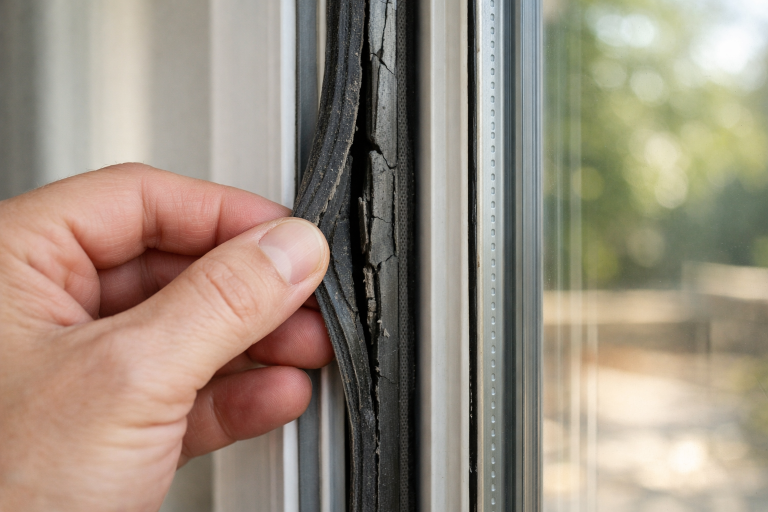
Recognizing the signs of deteriorating weatherstripping early can help keep your sliding glass door operating smoothly. Look for visible signs such as cracks, gaps, or peeling along the door’s edges. If you sense a draft or hear a whistling sound when the door is shut, air is likely sneaking in through compromised seals. Another warning signal is a sudden or gradual increase in your heating and cooling bills, which could suggest your door is no longer insulating your space as intended.
Struggles when opening or closing your sliding glass door may also suggest the weatherstripping has become brittle or misaligned. If you notice water pooling near the door after a rain, damaged weatherstripping may be letting moisture inside, risking mold or floor damage. Promptly dealing with these problems can save you money and keep your home comfortable year-round.
Importance of Replacing Weatherstripping
Replacing worn-out weatherstripping is about more than just convenience; it directly affects your home’s efficiency, comfort, and structural integrity. New weatherstripping creates a strong seal that keeps out drafts, making it easier to regulate indoor temperatures and reducing the workload on your HVAC system. This can translate into real savings on monthly energy bills and a lower carbon footprint.
Besides energy savings, effective weatherstripping also guards against water intrusion that can lead to warped flooring or hidden mold growth. By sealing out unwanted moisture and drafts, you can also enjoy a quieter indoor space, as robust weatherstripping reduces the amount of noise that filters inside from outdoors. Over time, these benefits add up to a more comfortable, durable, and cost-effective living environment.
How to Inspect Weatherstripping
Conducting regular inspections will help you catch weatherstripping issues before they escalate. Begin with a close visual inspection, looking for cracks, fraying, separation from the frame, or compressed areas that have lost their shape. Next, close the door and feel along the edges for drafts on a windy day. If you can easily feel air movement, the seal may need to be replaced. An additional test is to turn off the room’s lights at night and shine a flashlight at the door from outside; if you see light coming through, there are likely gaps in your weatherstripping.
Pay attention as you open and close the door. If you hear unusual noises or feel resistance, inspect the track for worn seals or debris. Perform these quick checks several times a year, preferably before the onset of extreme weather seasons.
Steps to Replace Weatherstripping
Replacing the weatherstripping on your sliding glass door is a manageable project for most homeowners. Start by removing the door from its track. This may require two people for safety, as the doors can be heavy. Once removed, carefully peel off the old weatherstripping and clean the surface thoroughly of any residue. Measure and cut your new weatherstripping to fit the length of the door. Attach the new material according to the manufacturer’s instructions, pressing it firmly to ensure a tight seal. After installation, return the door to its track and check its movement and sealing capabilities.
For an in-depth, illustrated process, refer to the U.S. Department of Energy’s guide to air-sealing your home to ensure proper installation and a lasting outcome.
Choosing the Right Weatherstripping Material
Choosing the proper weatherstripping material is essential for making your repair last. Foam tape is a user-friendly option, perfect for filling irregular gaps and corners. V-strips, or tension seals, are durable and ideal for door jambs, especially on sliding glass doors that see frequent use. Door sweeps can be attached to the bottom to prevent drafts near the floor, while rubber or vinyl tubing provides a flexible yet secure seal for larger gaps.
Select a material suited to your local climate and the specific door type. Some weatherstripping is rated for extreme temperatures or humidity, which can extend its lifespan in challenging environments.
Maintaining Your Sliding Glass Door
Keeping your sliding glass door and its weatherstripping in good condition requires routine care. Clean the tracks regularly to prevent grit and debris from impeding operation. Apply a silicone-based lubricant to rollers to minimize friction and avoid sticking. Schedule annual inspections of the weatherstripping and replace it whenever it shows signs of excessive wear. Small issues addressed early can prevent larger, more expensive repairs down the line.
When to Seek Professional Help
Some issues go beyond basic DIY maintenance. If you discover structural damage, rotted frames, or consistent trouble closing the door even after trying repairs, it is time to contact a professional. Likewise, if you are unsure how to safely remove heavy glass doors or correctly install certain types of weatherstripping, professional installation guarantees the job is done right. Persistent problems that recur after repeated fixes often indicate deeper issues best handled by an expert.
Conclusion
Regularly inspecting and replacing the weatherstripping on your sliding glass door can preserve energy, enhance comfort, and protect your home from drafts and water damage. By promptly addressing early warning signs and maintaining routine upkeep, you can extend the life of your sliding glass door and keep your home environment secure and pleasant for years to come.
