
Naturally Occurring Heavy Metals and Testing Considerations
Shilajit, the mineral-rich resin harvested from the Himalayan mountains, is celebrated for its wide range of therapeutic and rejuvenating properties. Its complex composition includes fulvic acid, humic acid, and essential trace minerals, which support overall health. However, Shilajit naturally contains certain heavy metals due to its long-term formation within mineral-rich rocks. While these elements can be present in safe, trace amounts, excessive concentrations pose health risks. Understanding naturally occurring heavy metals in Shilajit and the importance of rigorous testing is critical for ensuring both safety and efficacy. High-quality products like https://www.newphaseblends.com/product/pure-himalayan-shilajit/ follow strict testing protocols to guarantee purity and compliance with safety standards. This guide explores the sources of heavy metals in Shilajit, potential risks, and testing considerations to help consumers make informed choices.
Understanding Naturally Occurring Heavy Metals
Heavy metals such as lead, mercury, arsenic, and cadmium can occur naturally in rocks and soil where Shilajit forms. Over centuries, the resin absorbs these trace elements during its formation. While small, regulated quantities of certain metals may be tolerable, excessive accumulation can be harmful. Awareness of natural heavy metal presence is essential for distinguishing between safe Shilajit and potentially dangerous products.
Sources of Heavy Metals in Shilajit
Shilajit forms in high-altitude mountain regions as organic matter decomposes and mixes with mineral-rich rock. During this process, naturally occurring heavy metals in the surrounding geology can become incorporated into the resin. The concentration of these metals varies depending on the specific rock composition, altitude, and local environmental conditions. Areas affected by industrial pollution or mining activity may contribute additional metal contamination.
Health Implications of Excessive Heavy Metals
Excessive intake of heavy metals poses serious health risks. Lead exposure can affect the nervous system and cognitive function, mercury can harm kidneys and the brain, arsenic is linked to cardiovascular and skin problems, and cadmium impacts bone health and kidney function. Although Shilajit contains beneficial minerals, untested or low-quality products may exceed safe limits, highlighting the importance of proper testing.
Importance of Third-Party Testing
Testing Shilajit for heavy metals is a critical step in ensuring safety. Third-party laboratories can accurately quantify the presence of lead, mercury, arsenic, and cadmium, confirming that the resin meets regulatory standards. Reputable suppliers provide certificates of analysis that validate compliance with international safety guidelines. Third-party verification provides consumers with confidence in both the purity and safety of the product.
Methods for Heavy Metal Testing
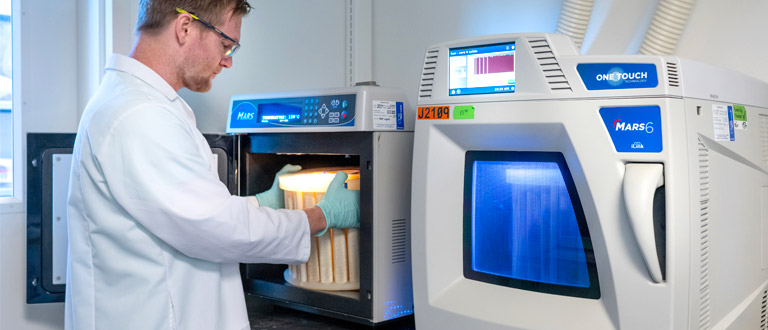
Heavy metal testing involves advanced analytical techniques, including Atomic Absorption Spectroscopy (AAS), Inductively Coupled Plasma Mass Spectrometry (ICP-MS), and X-ray Fluorescence (XRF). These methods measure trace element concentrations at parts-per-million or parts-per-billion levels, ensuring precise results. Testing identifies not only naturally occurring metals but also contamination from environmental or industrial sources.
Regulatory Standards and Safe Limits
Various international organizations set permissible limits for heavy metals in dietary supplements. For example, the World Health Organization (WHO) and United States Pharmacopeia (USP) provide guidance on safe levels for lead, mercury, arsenic, and cadmium. Compliance with these standards is essential for protecting consumer health. High-quality Shilajit suppliers ensure that their products meet or exceed these safety thresholds.
Factors Affecting Heavy Metal Levels
Heavy metal concentrations in Shilajit are influenced by several factors, including geological composition, altitude, and environmental exposure. High-altitude regions with minimal pollution generally produce resin with lower heavy metal levels. Conversely, areas affected by mining, industrial activities, or environmental contaminants may increase the risk of excessive metals. Awareness of sourcing practices helps assess potential safety concerns.
Purification and Processing Considerations
Purification methods are crucial for reducing heavy metal content while preserving bioactive compounds. High-quality Shilajit undergoes careful processing to remove excess metals without degrading fulvic acid, humic acid, or trace minerals. Overly aggressive chemical treatments, however, may compromise therapeutic properties. Reputable suppliers balance purification with natural efficacy to ensure safe and potent resin.
Consumer Awareness and Verification
Consumers play a key role in ensuring the safety of Shilajit. Awareness of potential heavy metal contamination and the importance of testing allows individuals to select trusted products. Verifying third-party testing reports, sourcing information, and adherence to quality standards helps avoid unsafe or adulterated resin. Educated decision-making is essential for both health and efficacy.
Visual and Sensory Indicators Are Not Enough
While the color, texture, and aroma of Shilajit indicate authenticity and quality, these sensory attributes cannot reliably detect heavy metal contamination. Even resin that appears dark, sticky, and aromatic may contain unsafe levels of metals if untested. Laboratory analysis remains the only reliable method for ensuring safe heavy metal concentrations in Shilajit.
Combining Traditional Knowledge with Modern Testing
Traditional Himalayan practices emphasize careful selection of resin from pristine, high-altitude regions. Combining this knowledge with modern analytical testing ensures that Shilajit retains both authenticity and safety. Understanding natural sources of heavy metals and implementing rigorous testing protocols allows consumers to enjoy the full benefits of this revered substance without compromising health.
Implications for Daily Consumption
Heavy metal testing is particularly important for individuals using Shilajit regularly as a supplement. Chronic exposure to contaminants can accumulate over time, increasing health risks. Ensuring that each batch is verified for safe levels protects long-term health while supporting consistent use. Awareness of dosage and adherence to recommended intake further minimizes potential risks.
Role of Reputable Suppliers
These brands source resin from uncontaminated high-altitude regions and implement rigorous purification processes. By choosing reputable providers, consumers reduce exposure to environmental contaminants while ensuring access to authentic, potent Shilajit.
Conclusion: Ensuring Safety Through Awareness and Testing
Naturally occurring heavy metals in Shilajit are a reality of its geological origin, but excessive concentrations pose health risks. Awareness of potential contaminants, understanding sources of metals, and relying on rigorous third-party testing are essential steps for ensuring safety. Laboratory verification, proper purification, and adherence to regulatory standards help maintain both bioactive efficacy and consumer protection.
